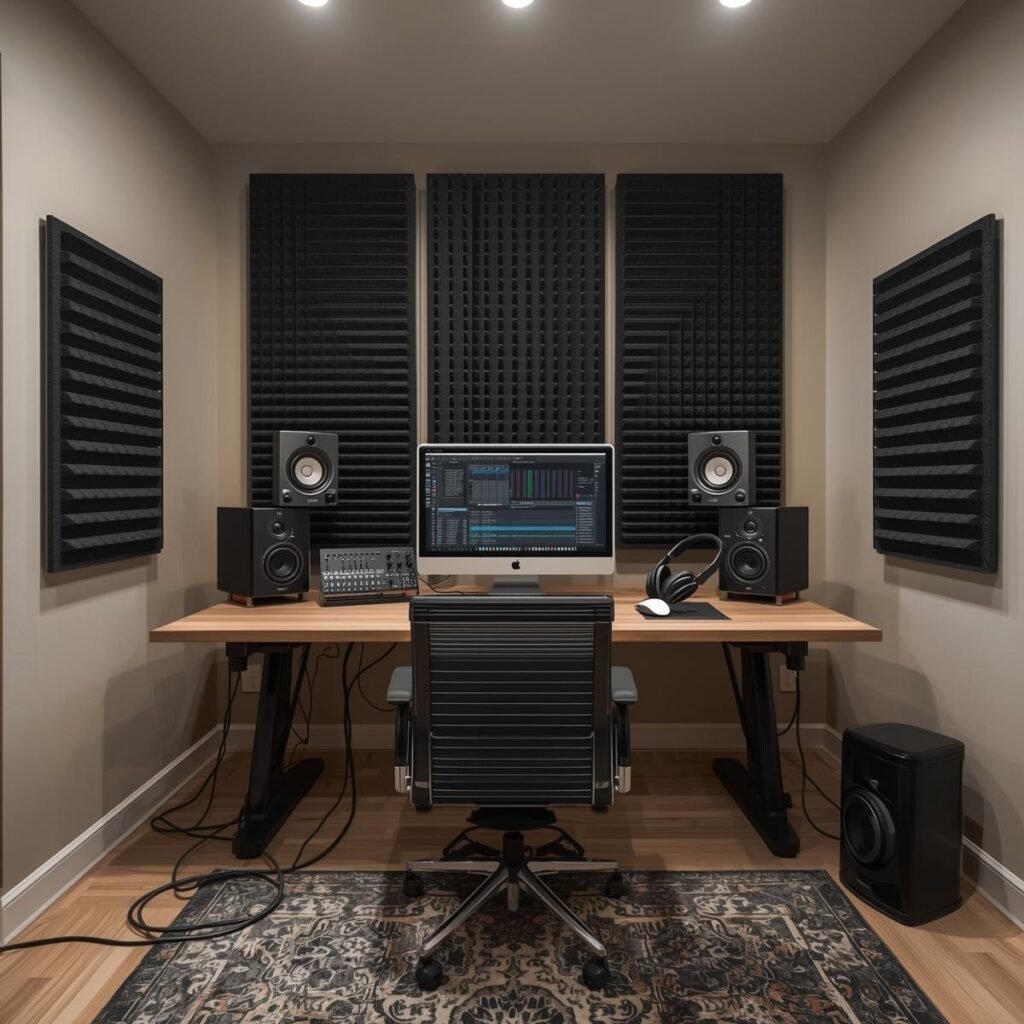
A recording studio is a specialized space designed for capturing, mixing, and producing audio. It’s used by musicians, voice actors, podcasters, and producers to create high-quality sound recordings.
Key components of a recording studio include:
- Control Room: Where the sound engineer operates mixing consoles, monitors, and recording software.
- Live Room: The main area where instruments and vocals are recorded, often acoustically treated to reduce unwanted noise.
- Isolation Booths: Smaller soundproof spaces for recording vocals or individual instruments separately.
- Equipment: Microphones, audio interfaces, studio monitors, headphones, and digital audio workstations (DAWs) like Logic Pro or Pro Tools.
A well-designed studio balances acoustics, technology, and comfort, allowing artists to perform naturally while achieving professional sound quality.
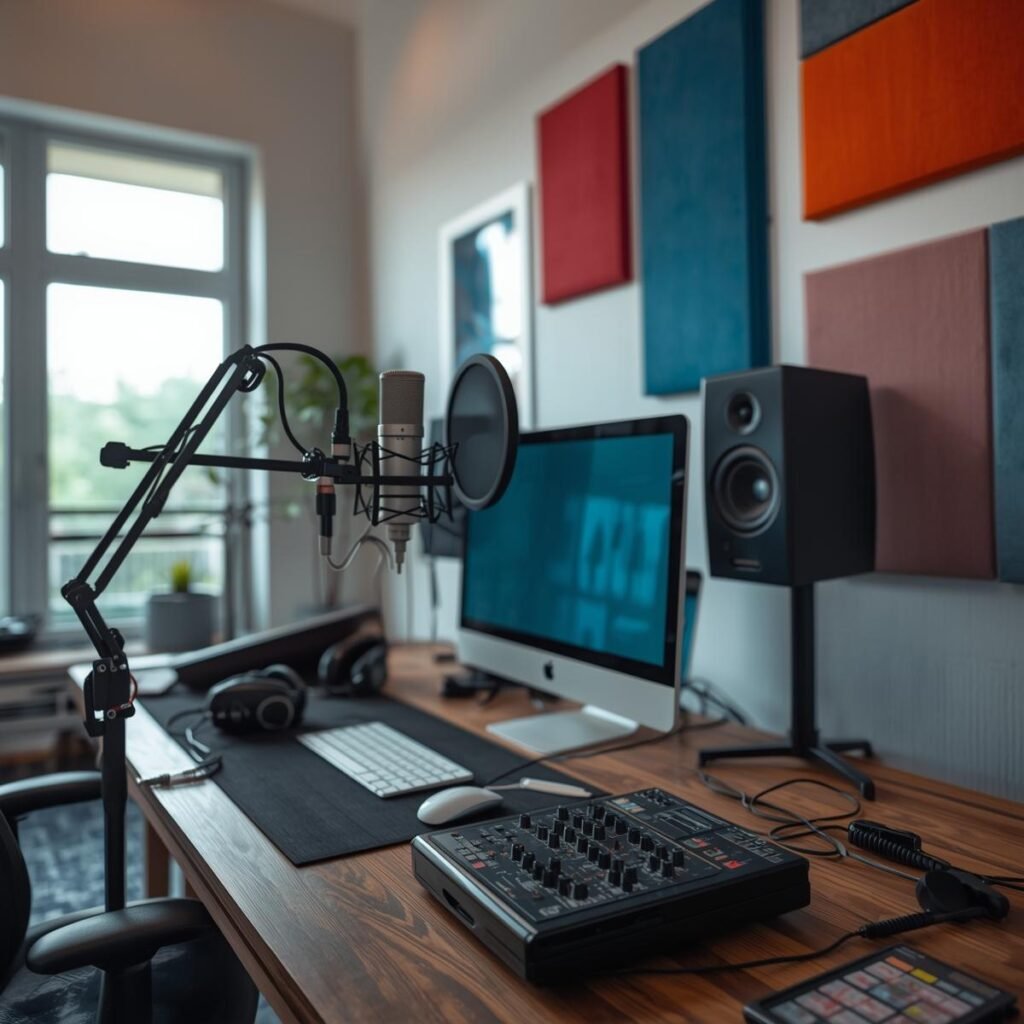
A basic home recording studio setup can be simple yet powerful enough to produce professional-quality audio.
Essential components:
- Computer
- A reliable laptop or desktop with enough RAM (at least 8GB) and storage.
- Used to run your recording software (DAW).
- Digital Audio Workstation (DAW)
- Software for recording, editing, and mixing audio.
- Popular options include GarageBand, Logic Pro, FL Studio, and Ableton Live.
- Audio Interface
- Connects microphones and instruments to your computer.
- Look for one with at least two inputs and good preamps (e.g., Focusrite Scarlett 2i2).
- Microphone
- A condenser mic for vocals and acoustic instruments.
- A dynamic mic for louder sources like guitar amps or drums.
- Headphones
- Closed-back headphones for recording (to prevent sound bleed).
- Open-back headphones or studio monitors for mixing.
- Midi Keyboard (Important For Music Producers)
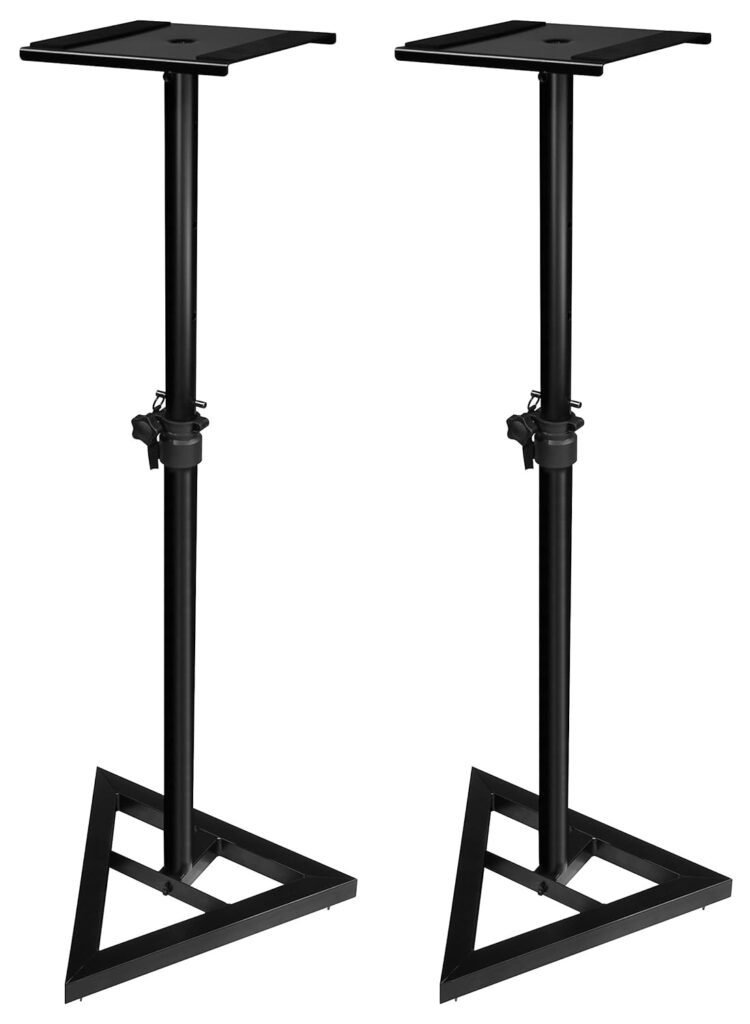
- Studio Monitors (optional but ideal)
- Provide accurate sound for mixing and mastering.
- Cables and Stands
- XLR cables for microphones, sturdy mic stands, and pop filters for clean vocal recordings.
- Acoustic Treatment
- Foam panels, bass traps, or even thick curtains to reduce echo and improve sound clarity.
With these basics, you can record vocals, instruments, podcasts, or demos right from your home with professional results.
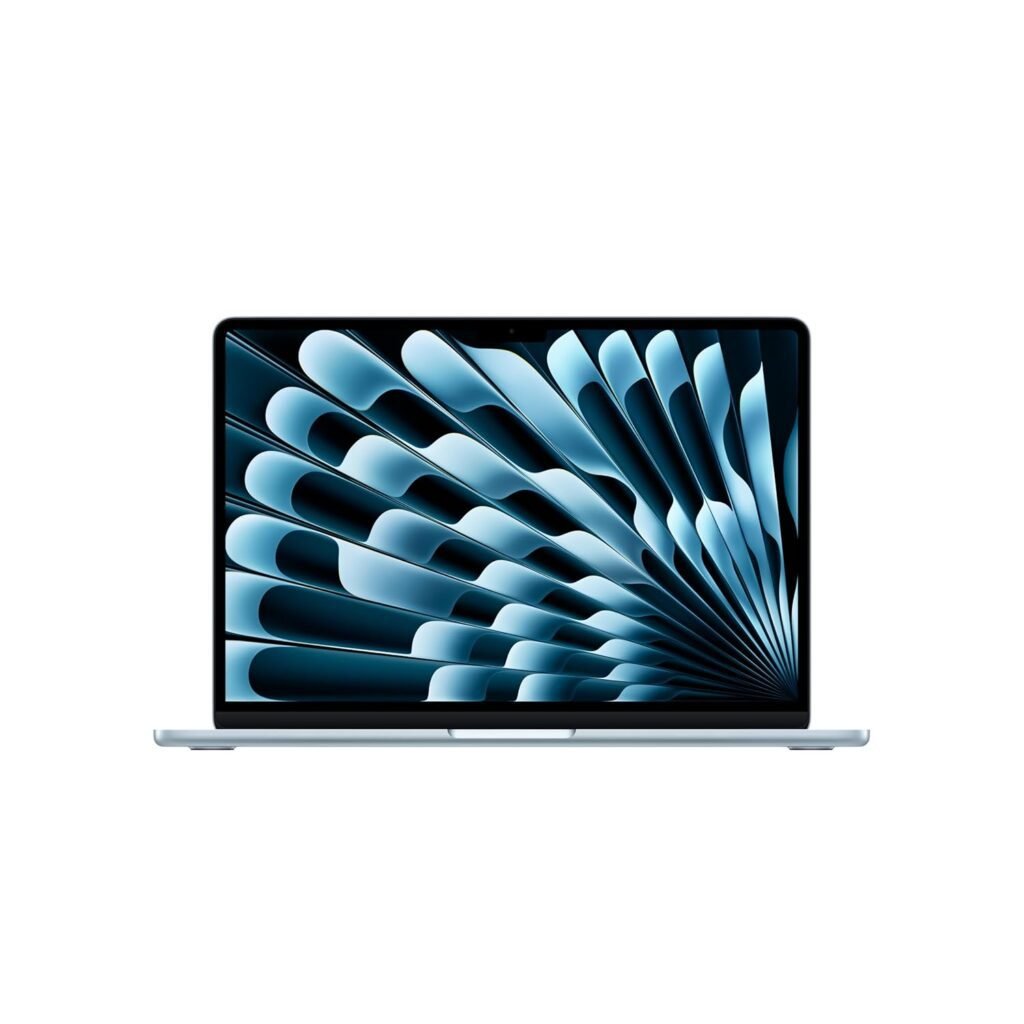
Apple 2025 MacBook Air
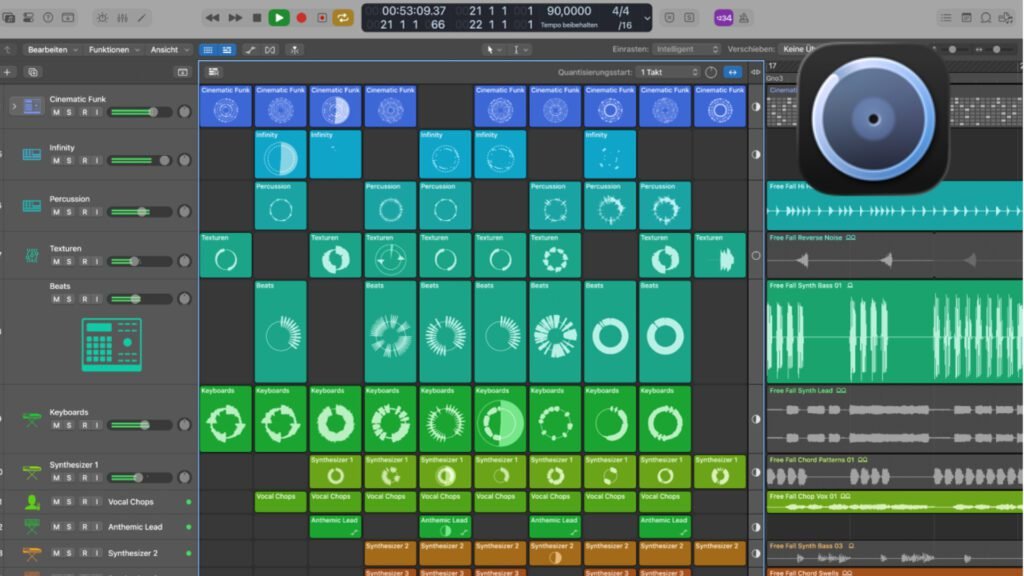
Apple Logic Pro 12
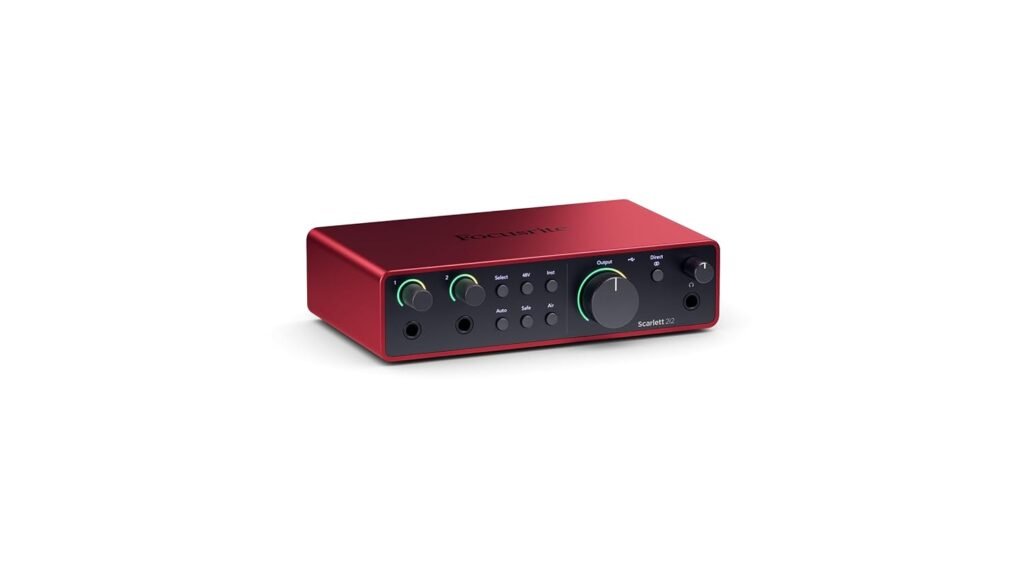
Focusrite Scarlett 2i2 4th Gen
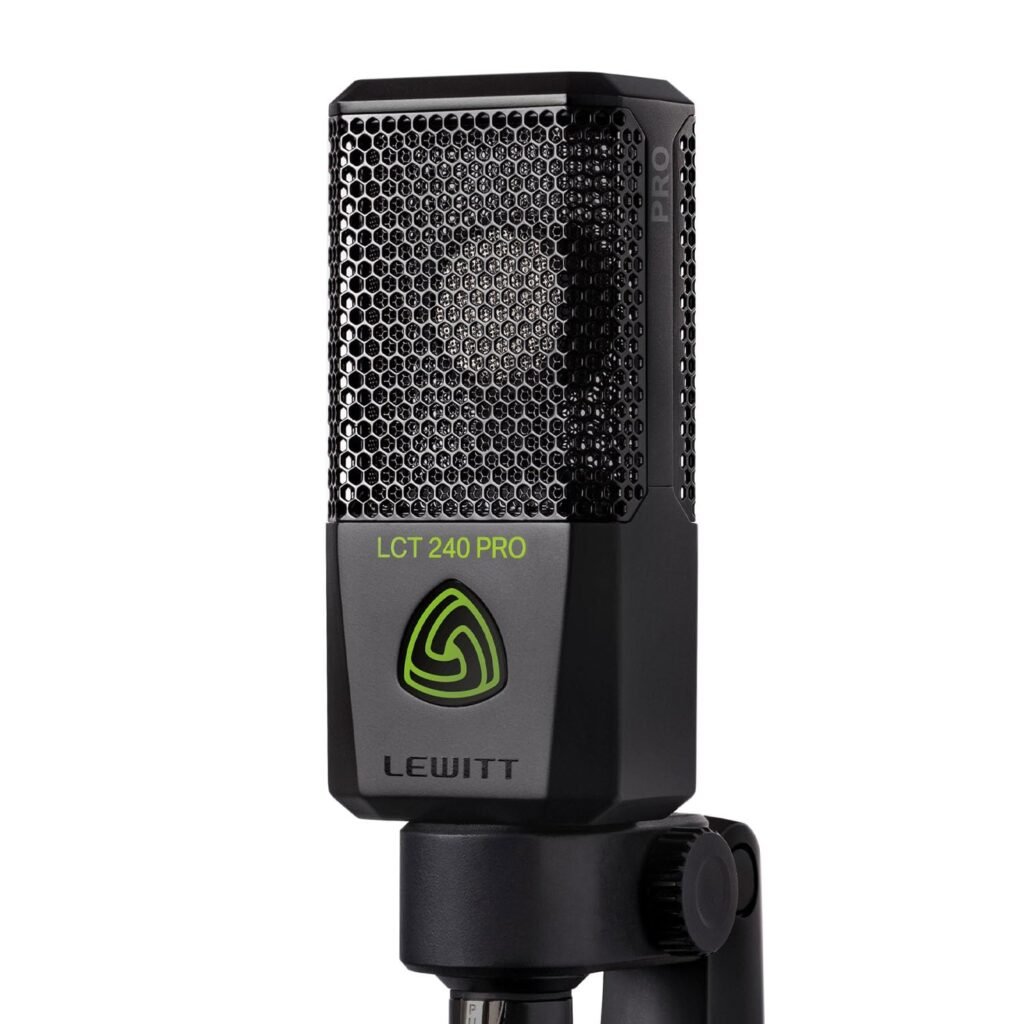
Lewitt LCT-240 Pro
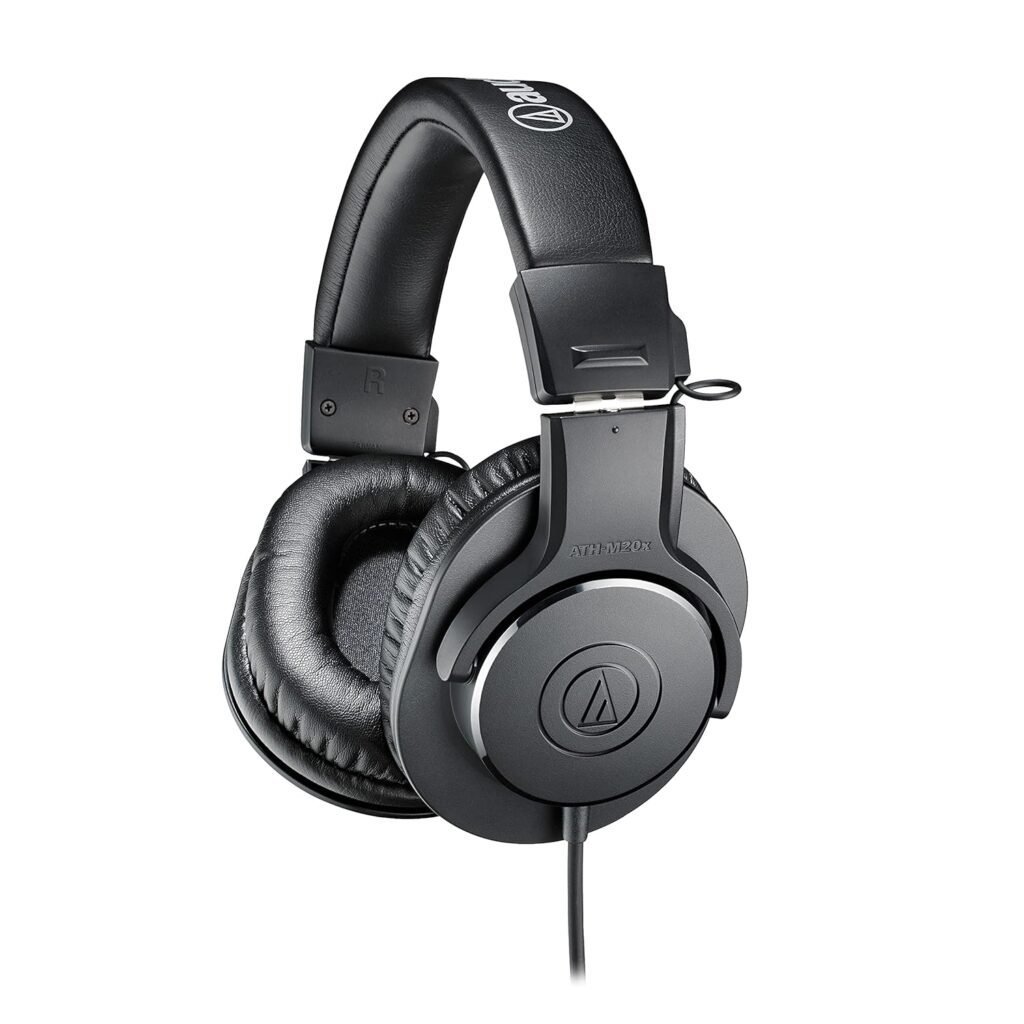
Audio-Technica ATH-M20x
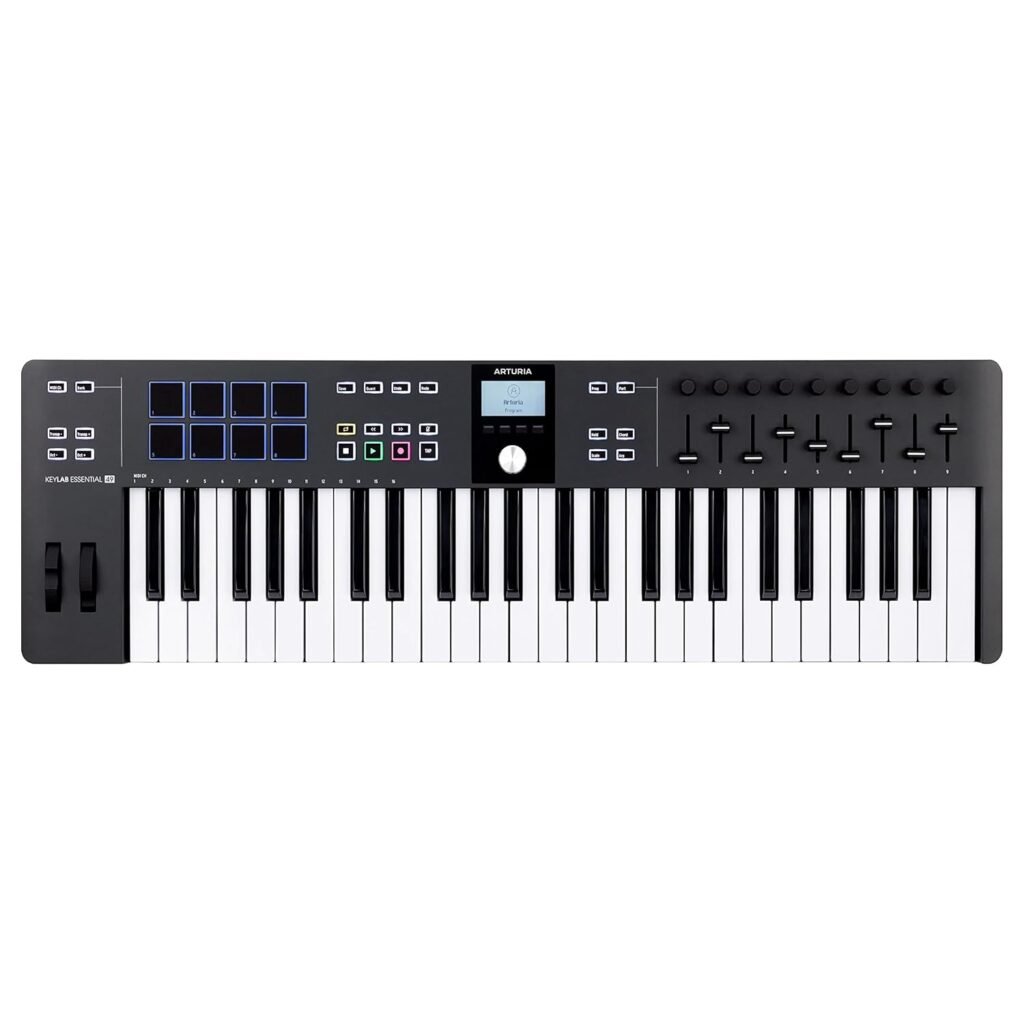
Arturia KeyLab Essential 49 mk3
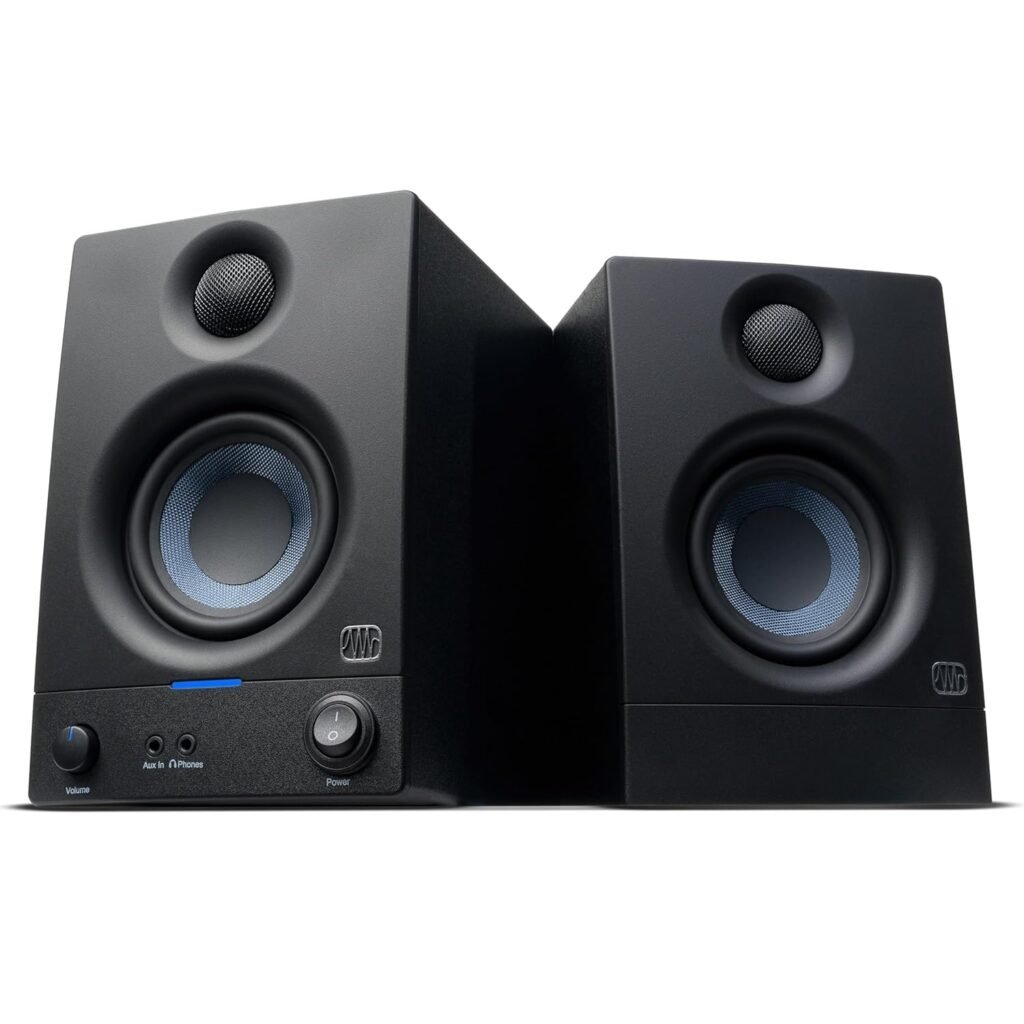
PreSonus Eris 3.5 2nd